Typewriter Font Embroidery Design: Vintage Style
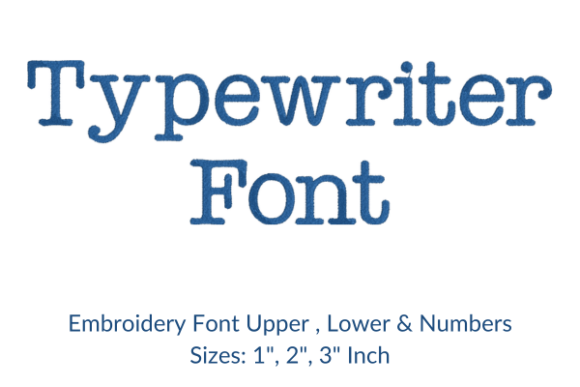
There is a distinct charm to the mechanical rhythm of an old typewriter. The sharp, monospaced characters evoke a sense of nostalgia, professionalism, and timeless creativity that modern digital fonts often struggle to replicate. When you translate this aesthetic into thread, you unlock a powerful tool for personalization. The Typewriter Font Embroidery Design captures this vintage essence perfectly, offering a high-quality solution for adding names, dates, or meaningful quotes to any fabric project. Whether you are a seasoned stitcher or a business owner looking to elevate your brand, this font provides the structural integrity and visual appeal needed to stand out.
The Aesthetic Appeal of Monospaced Stitching
What makes the Typewriter Font Embroidery Design so effective is its adherence to the classic monospaced style. Unlike proportional fonts where letters vary in width based on their shape, every character here occupies the same horizontal space. This creates a uniform, grid-like appearance that is instantly recognizable. In the world of embroidery, consistency is key. This design ensures that when you spell out a name or a short phrase, the spacing remains even and predictable, preventing the "stretched" look that can sometimes occur with poorly digitized scripts.
The strength of this font lies in its clarity. The lines are crisp, and the edges are defined, making it ideal for both light and dark fabrics. It does not rely on excessive shading or complex fill patterns that might obscure details on textured materials like denim or canvas. Instead, it uses clean outlines and solid fills to create a bold statement. This simplicity is not a limitation; it is a feature. It allows the text to remain legible even at smaller sizes, which is crucial for items like cufflinks, baby booties, or interior trim.
Understanding Dimensions and Stitches
Before you begin stitching, it is important to understand how the file is structured. The dimensions and stitch counts provided in product summaries are typically calculated based on the capital letter "A" and the lowercase letter "a" for each available size. These metrics serve as a reliable baseline for estimating thread usage and hoop requirements. However, because this is a complete alphabet set containing 174 unique letters, the actual stitch count will naturally vary depending on the specific words you choose to embroider.
If you are planning a large-scale project, such as a custom banner or a detailed garment label, you need precise data. For the full dimension details of all 174 letters included in this set, you should download the accompanying More Sewing Info PDF. This document acts as your technical blueprint, providing exact measurements for every character. Having this information at your fingertips helps you avoid common pitfalls, such as running out of thread mid-stitch or selecting a hoop that is too small for your intended text.
Practical Applications Across Industries
The versatility of the Typewriter Font Embroidery Design extends far beyond simple hobby projects. Its professional look makes it suitable for a wide range of commercial and creative environments. Here is how different sectors can leverage this font:
- Small Business Branding: Entrepreneurs can use this font to create custom labels for clothing lines, tote bags, or packaging tags. The vintage vibe suggests craftsmanship and attention to detail, qualities that resonate with consumers seeking authentic products.
- Event Personalization: Planners and decorators often need quick, elegant ways to mark napkins, table runners, or guest towels. This font offers a sophisticated alternative to standard script, perfect for weddings, anniversaries, or corporate galas.
- Educational Materials: Teachers and school administrators can personalize student uniforms, library books, or classroom banners. The clear, blocky nature of the typeface makes it easy for children to read while adding a touch of academic tradition.
- Home Decor: Interior designers and DIY enthusiasts can apply this font to throw pillows, wall hangings, or kitchen towels. It adds a literary or industrial touch to living spaces, transforming plain cotton or linen into statement pieces.
Enhancing User Experience and Efficiency
From a practical standpoint, efficiency is just as important as aesthetics. One of the primary benefits of this machine embroidery design is its compatibility. It comes with multiple file formats, ensuring that it works seamlessly with a vast array of embroidery machines. Whether you are using a home hobbyist model or a multi-head commercial unit, you can import the files without needing complex conversion software. This reduces setup time and minimizes the risk of digitization errors.
Furthermore, the design's stability means fewer hoops and less repositioning. Because the letters are designed to sit well within standard hoop sizes, you can often stitch longer phrases in a single pass. This streamlines your workflow, allowing you to produce more items in less time. For freelancers and business owners, this increase in productivity directly translates to better profitability and faster turnaround times for clients.
Strategic Implementation Tips
To get the most out of the Typewriter Font Embroidery Design, consider the context of your project. While the font is robust, it shines brightest when used with intention. Avoid overcrowding the design area; the monospaced style looks best with adequate breathing room around the text. Pairing it with simple geometric borders or minimalistic icons can enhance the vintage feel without overwhelming the viewer.
Fabric choice also plays a critical role. Since this font relies on clean lines, it performs exceptionally well on stable fabrics like twill, denim, and heavy cotton. If you are working with stretchy knits, ensure you use appropriate stabilizers to prevent the stitches from distorting the square shape of the letters. Always test your design on a scrap piece of fabric first, especially if you are adjusting the size significantly from the default settings.
Ultimately, the value of this embroidery font lies in its ability to communicate a specific message through texture and form. It bridges the gap between the tactile world of sewing and the visual language of typography. By integrating the Typewriter Font Embroidery Design into your toolkit, you gain a flexible asset that elevates the quality of your work, whether you are crafting a one-of-a-kind gift or producing a line of branded merchandise.